
Why Recurring Skin Infections Are Becoming Common Among Pets

If your pet was diagnosed with a skin condition at least once during the last year, it's not a coincidence -It's certainly not just a fluke. Infections that cause skin inflammation in pets are among the most commonly reported issues at vet clinics. And it's becoming more frequent, and not decreasing. One of the most difficult things for pet owners is the fact that they often see their infections disappear after treatment but then return several months or weeks later, at the same location or a new location.
The reason why this pattern is repeated almost every time in one way is that the condition has been treated; however, the root cause has not. Knowing the root of this issue and having a detailed, online pet health report that tracks every event will distinguish animals that can break out of the cycle and those that remain locked within the cycle. What every pet owner must be aware of.
The Infection Is the Symptom, Not the Problem

It's a major shift in perspective for pet owners who are dealing frequently with skin problems. Skin infections caused by fungi or bacteria on pets rarely appear suddenly. Instead, they develop because of something that has already damaged the natural defenses of the skin.
Healthy skin functions as a shield. If the barrier is in good condition, it allows for opportunistic yeast and bacteria that naturally reside on the skin's surface to remain in harmony. If the barrier is damaged due to hormonal fluctuations, allergies, nutritional deficiencies, or parasites, these same microorganisms may grow and lead to an infection.
The treatment of the infection, only with the use of antibiotics or antifungal medications, can bring some relief. If the skin barrier is not fully restored following treatment, the subsequent attack is merely a matter of duration. Recurrence of the condition is very common, and the reason why many pet owners think they're tackling the same issues in a loop.
Allergies Are the Most Overlooked Root Cause
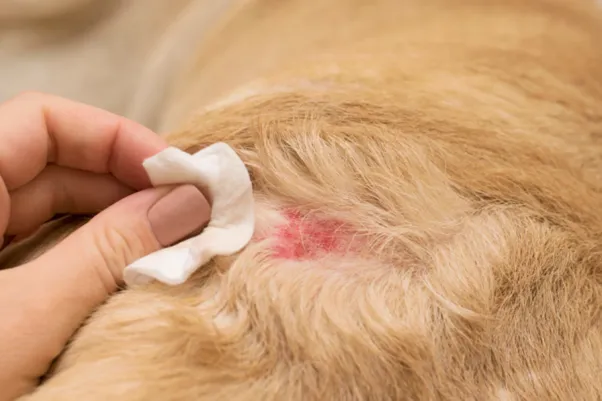
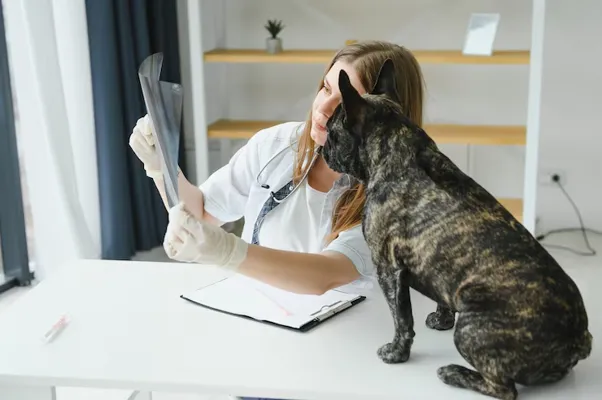
Food allergies and environmental allergies are the primary causes of skin conditions that recur in dogs, and increasingly in cats. The allergic reaction causes constant itching that leads to licking, scratching, and even biting on the skin. It is believed that the repeated trauma leads to the development of an overgrowth of yeast or bacteria. It is a challenge that allergies can be difficult to spot due to the fact that their symptoms are similar to those of the underlying infection. Dogs scratching due to a skin infection appears the same as scratching from an itchy skin. In the absence of a thorough investigation into the source of it, the treatment method does not address the root cause. Food allergies warrant special consideration since they're often not diagnosed. Most commonly, the culprits are proteins like poultry, beef, dairy, wheat, and others. But identifying the exact trigger requires an elimination diet for between eight and twelve weeks. It's not simply a matter of switching to a new commercial food. If the skin conditions of your pet are triggered by seasonal changes, pollen, dust mites, or mould can be more likely to be the cause. There's a routine that plays through veterinary clinics regularly when a pet is brought in suffering from a skin infection. The pet is treated with antibiotics that improve the condition, then the owners stop the medications just a couple of days early since the signs appear to disappear. Six weeks later, they're again suffering from the same problem; however, this time they might be resistant in part to the antibiotic that was first employed. This issue is exacerbated if the pet visits different veterinarians during visits, or owners aren't able to recall what the veterinarian prescribed the first time. In the absence of a comprehensive treatment history, every new veterinarian is partially blind when making decisions without understanding the previous treatments that have been attempted to see what works, or the length of time. This is when keeping pet medical records online is actually practical as opposed to just being tidy. If every single treatment session dose, treatment, and result is recorded and available, the veterinarian taking care of your pet right now will view the entire image of what's occurred in the last two years, not only what you recall from the previous appointment. The patterns that otherwise would be unnoticed are now visible. Health records for pets online help to identify patterns: does the illness only appear at the beginning of spring? When was a new food item added? After a certain activity? It is difficult to spot when data is dispersed across files on paper and in memory. Two diseases that are worth learning about are hypothyroidism in dogs and hyperadrenocorticism (Cushing's disease), which is among the most common hormonal conditions that can lead to pets being susceptible to skin conditions. Both are often overlooked for years or months due to the fact that their initial symptoms are not obvious. Hypothyroidism can cause the skin to be oilier, thicker, and more vulnerable to overgrowth of bacteria. Cushing's Disease, which is characterized by excessive cortisol production, smothers the immune system as well as thins the skin, rendering it more susceptible to infections. In both instances, skin problems are an outcome of a deficiency in the system, but the application of any topical antibiotic treatments will prevent it from happening again until the hormone issue is resolved. If your pet's skin problems are accompanied by weight loss and/or increased thirst, anxiety, or coat changes, then bringing this issue to the vet is essential. The blood tests can help be used to identify the conditions, but your veterinarian must be able to provide enough medical history to decide if that they're worthy of ordering. The health of your skin is built from the inside out, and nutrition is among the primary levers that pet owners can use. Omega-3 fatty acids, which are found in fish oil as well as specific foods, help to strengthen the skin barrier by improving the quality of the skin and reducing inflammation. They also improve moisturization at the cell scale. Biotin and zinc are also involved in the repair of skin as well as immune function. However, this doesn't mean that taking supplements will cure the active disease. The fact is that pets who diets with a high concentration of the nutrients they need have a more fragile skin barrier that is structurally weaker and are at a higher risk of infection from the beginning. If your pet suffers from frequent problems with their skin and doesn't have an examination of their diet to determine the cause, it's worth discussing concerns with your veterinarian. Foods that are processed and of low quality for pets can meet the nutritional requirements of a pet, but they do not provide the micronutrients that support skin, which can make a real impact. The gulf between the minimum and optimal is the place where chronic skin issues are often found. Skin infections that recur in animals can be fixed; however, they need a diagnostic approach rather than a treatment-only approach. It is essential to determine the cause thoroughly to rule out parasites and evaluate for allergic reactions and hormonal imbalances, as well as review the diet. Also, it is important to complete every regimen of treatment thoroughly and thoroughly, even if symptoms don't seem to improve early. Importantly, this means keeping detailed documentation. Each infection, each medication, each dietary adjustment, and every time the symptoms increase. This information provides the basis for vets to spot the pattern and take action on the basis of the source rather than only the symptoms. In Star Tag, the connection between good data and excellent quality outcomes for pets can be seen in the way we approach pet care. A trustworthy online pet health record isn't just a formal practice; it's a useful tool that provides each vet you ever have with the information they require to make informed choices. If your pet has suffered more than one skin issue within the last 12 months, creating a document now and keeping it up-to-date is one of the best ways to improve your pet's long-term health.What Incomplete Treatment History Does to Your Pet's Care
Hormonal Imbalances That Quietly Damage Skin Health

The Role of Diet in Skin Barrier Integrity

Breaking the Cycle Requires a Documented Approach