
The Hidden Risks of Microchipping Pets: Lessons from Japan and the UK
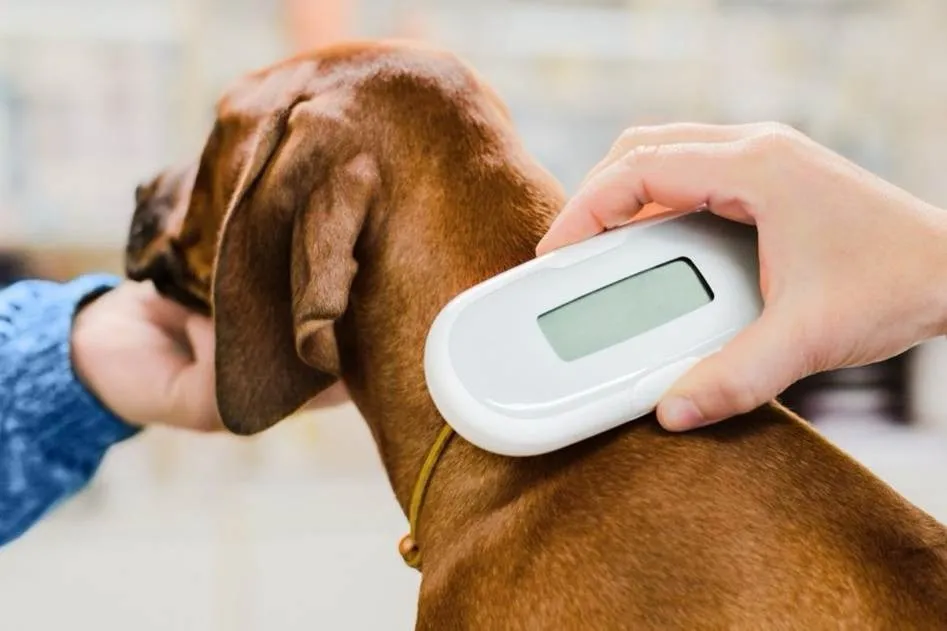
Microchipping is widely promoted as a safe, permanent way to identify companion animals and reunite lost pets with their families. In many countries, including the UK, it is even legally mandated for dogs. While microchipping has clear benefits, scientific literature and real-world case reports show that it is not entirely risk-free. Rare but serious medical complications, technical failures, and human-error–related injuries deserve far more public attention than they currently receive.
This blog brings together documented risks from peer-reviewed studies and case reports, including striking examples from Japan and the United Kingdom, to help pet owners make better-informed decisions.
How Microchipping Works (and Where It Can Go Wrong)
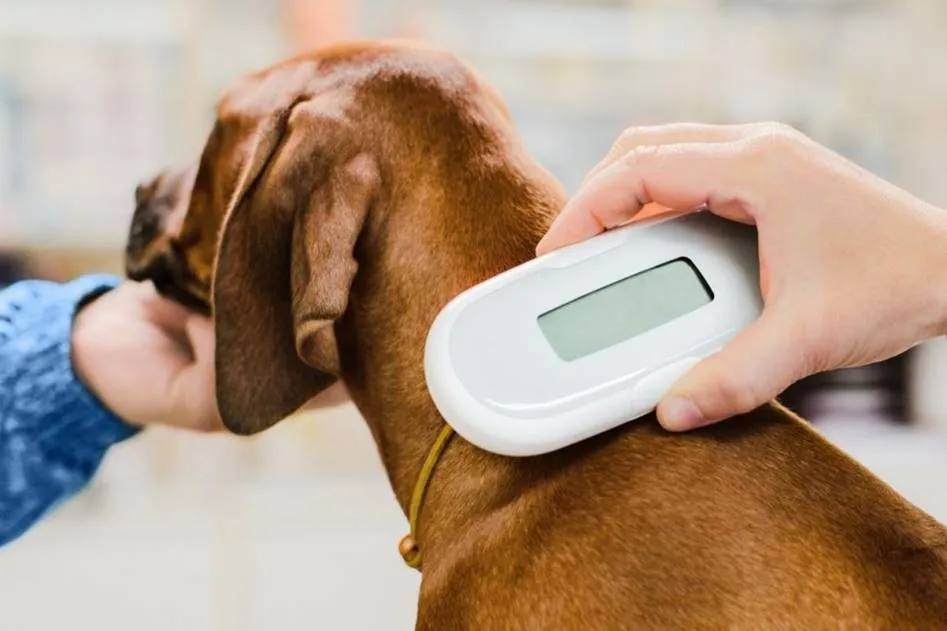
A pet microchip is a small passive RFID device, roughly the size of a grain of rice, implanted under the skin, typically between the shoulder blades. When scanned, it transmits a unique identification number that links to the owner’s contact information in a registry.
In theory, the system is simple and reliable. In practice, problems can arise at three critical stages:
During implantation (technique, restraint, and operator experience)
After implantation (migration, inflammation, or injury)
At the identification stage (data errors, unreadable chips, or registry failures)
Japan Case Example: Spinal Cord Injury in a Puppy

One of the most serious complications ever documented occurred in Japan and was reported in the Journal of Veterinary Medical Science (Hamabe et al., 2023; PMCU887216).
An 8-week-old female Toy Poodle–Maltese mix, weighing only 830 grams, was presented with acute-onset paresis just 24 hours after microchip implantation into the dorsal cervical region.
What went wrong?
The puppy showed soft-tissue swelling and pain at the implantation site.
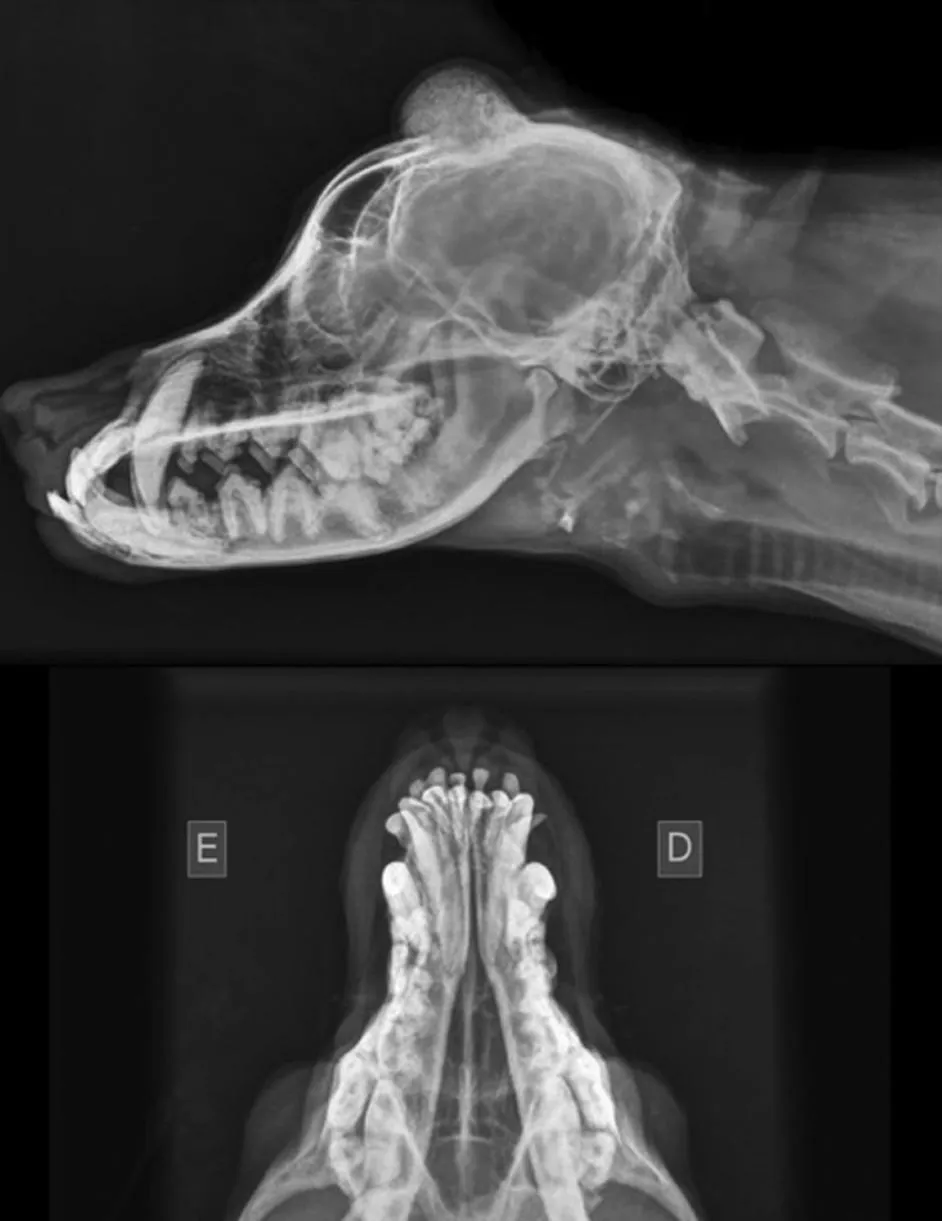
X-rays revealed a horizontally oriented microchip positioned close to the spinal canal at the T1–T2 level, slightly left of midline.
A CT scan showed that the microchip had entered the vertebral canal and was embedded within the spinal cord at T1–T3, causing severe spinal cord compression.
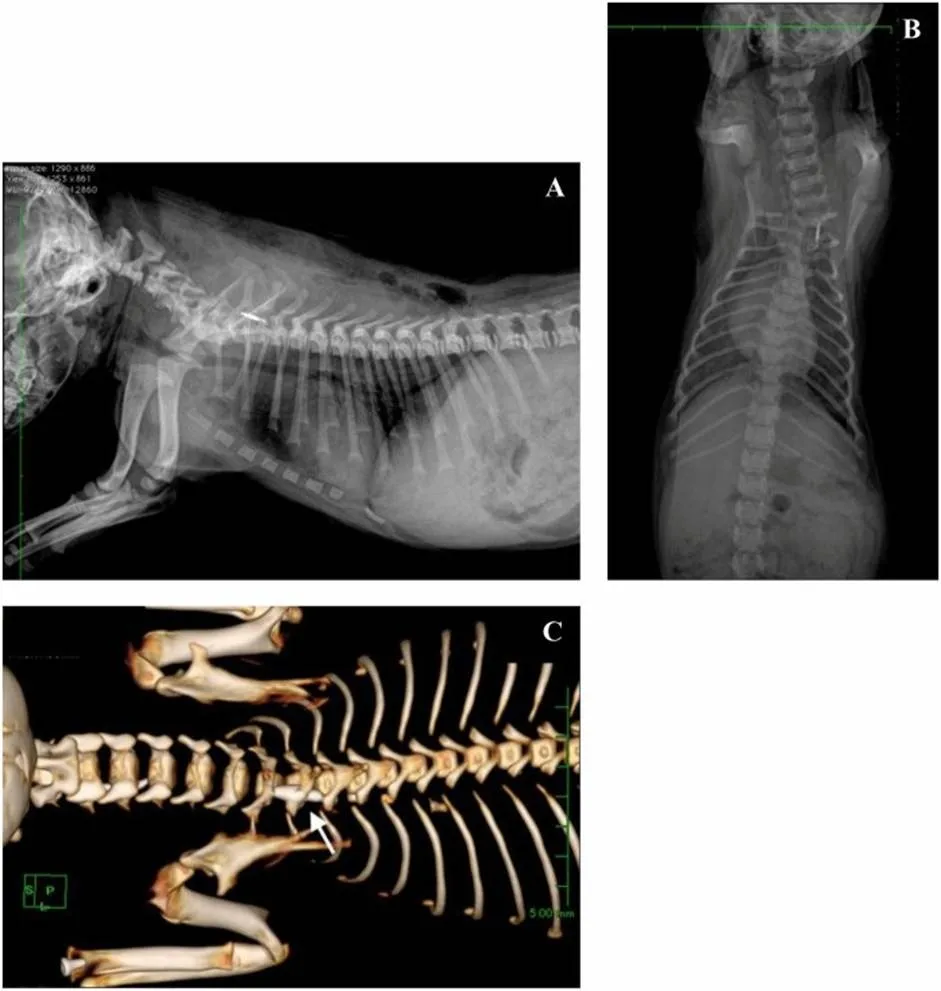
This was not a theoretical risk, it was a direct, mechanical injury caused by improper implantation.
Contributing factors identified by the authors:
Lack of training and experience of the veterinarian
Inadequate restraint, as the procedure was performed by a single person
The puppy’s very small size and low body weight, increasing the risk of deep or misdirected needle insertion
UK Evidence: Migration, Tumors, and Implant-Site Complications
A growing body of literature from the UK and Europe has documented long-term risks associated with microchips. A 2024 review published in Animals (PMC10832748) highlighted several important safety concerns:
1. Microchip Migration:
Microchips are intended to remain in a stable subcutaneous location. In reality, they can:
Migrate along tissue planes
Shift toward the shoulder, neck, chest, or limbs
Become difficult or impossible to locate with scanners
Migration increases the risk of failed identification and may also place the chip near sensitive structures.
2. Implant-Associated Tumors:
Although rare, the UK review compiled reports of neoplasms forming at microchip implantation sites, including:
Fibrosarcomas
Sarcomas
Other malignant soft-tissue tumors
“There is evidence that implanted microchips can act as foreign bodies and, in rare cases, may be associated with tumor formation at the implantation site.”, Animals review (PMC10832748)
3. Inflammation, Infection, and Chronic Pain:
UK surveillance data and veterinary adverse-event reporting systems have documented cases of:
Persistent local inflammation
Abscess formation
Chronic discomfort at the implantation site
Delayed wound healing
While these reactions are uncommon, they demonstrate that implantation is not always biologically neutral.
Data Failures: When a Chip Exists but Still Fails
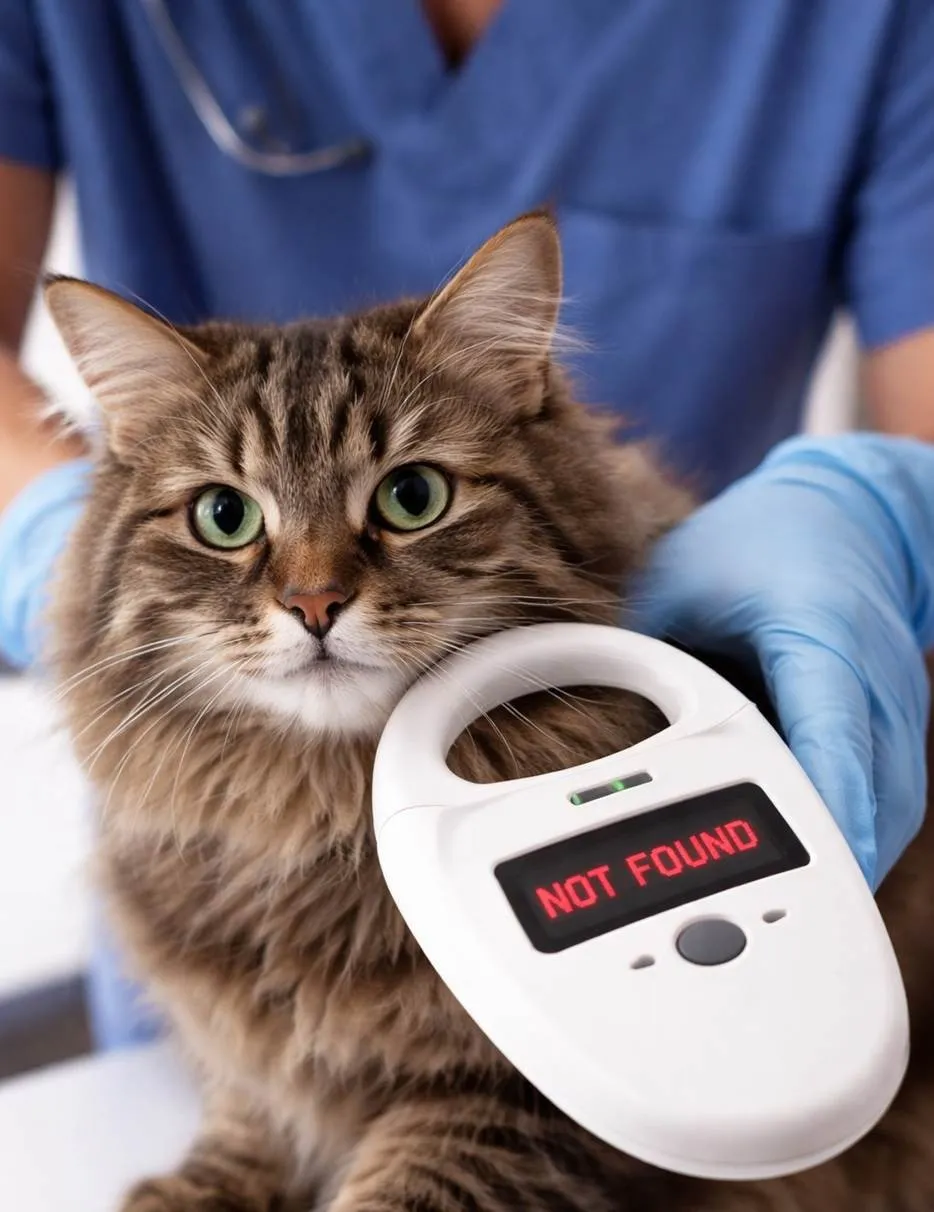

Even when implantation is technically perfect, microchipping can still fail as an identification tool.
A large study of stray dogs and cats (Lancaster et al., 2015; PMC44U4412) found that:
Many microchips were registered with incorrect or outdated phone numbers
Some were still linked to previous owners
Others were never registered at all
Also faulty microchips are either not picked up by the scanner or stop working after some time.
These data failures dramatically reduced the likelihood of reuniting lost animals with their families.
Why These Risks Matter

Microchipping is often presented as a routine, harmless procedure. The evidence shows otherwise.
Key realities pet owners should understand:
Microchipping does not track location, it only works if someone finds and scans the animal
Human error during implantation can cause catastrophic injury
Small puppies and toy breeds face higher procedural risk
Registry data errors can render a chip useless
Rare but serious complications (tumors, spinal injury, migration) do occur
In conclusion, microchipping should be approached with the same care and procedural rigor as any minor surgical intervention. A tool designed to protect animals must never become a source of preventable harm.
Choose StarTag, the safer, non-invasive alternative to microchips.