
The First 30 Days After Adoption: A Success Guide

Bringing a new pet home is one of the most rewarding things you'll ever do, and one of the most overwhelming. Whether you've adopted a dog, cat, or something in between, that first month sets the foundation for everything that follows. The bond you build, the routines you establish, and the trust you earn in these 30 days will shape your relationship for years to come.
Here's your honest, practical guide to getting it right.
Why the First 30 Days Matter More Than You Think
According to the American Society for the Prevention of Cruelty to Animals (ASPCA), approximately 6.3 million companion animals enter U.S. shelters every year. Sadly, return rates after adoption remain significant, and many happen within the first few weeks, often because new pet parents weren't prepared for the adjustment period.
The good news? Most of these returns are preventable with the right expectations and a little planning.
Week 1: The Decompression Phase

Your new pet is scared, even if they don't show it.
Animals leaving shelters experience a massive sensory shift. New smells, new people, new sounds. Behaviourists often call this the "3-3-3 Rule": 3 days to decompress, 3 weeks to learn your routine, and 3 months to feel truly at home.
What to do in Week 1:
Give them space. Resist the urge to invite everyone over. Let your pet explore on their own terms.
Stick to a schedule. Feed, walk, and sleep at the same times daily. Predictability = safety to an animal.
Set up a "safe zone." A crate, a corner with a bed, or a quiet room, somewhere that's entirely theirs.
Limit overwhelming stimulation. Loud music, chaotic kids, or other pets all at once can spike anxiety fast.
Week 2: Building the First Routines
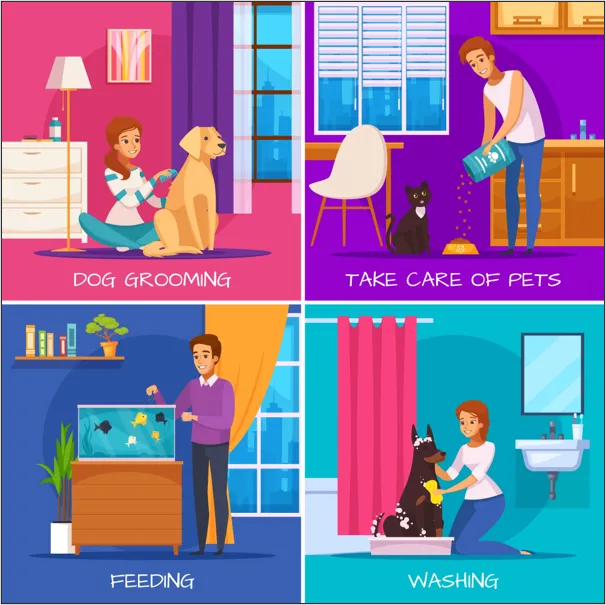
By week two, most pets start showing their real personality, the good and the challenging.
This is when behavioural issues often surface: house accidents, chewing, anxiety, barking, or food aggression. Don't panic. These are communication, not character flaws.
Focus on:
Positive reinforcement only. Studies from the Journal of Veterinary Behaviour show that reward-based training produces faster learning and fewer stress-related behaviours compared to punishment-based methods.
Starting basic commands. Sit, stay, and recall ("come") are the three commands that could one day save your pet's life.
Introducing other pets slowly. Neutral-territory introductions, like a walk together outside, work far better than a face-to-face meeting inside your home.
Week 3: The Vet Visit Checklist
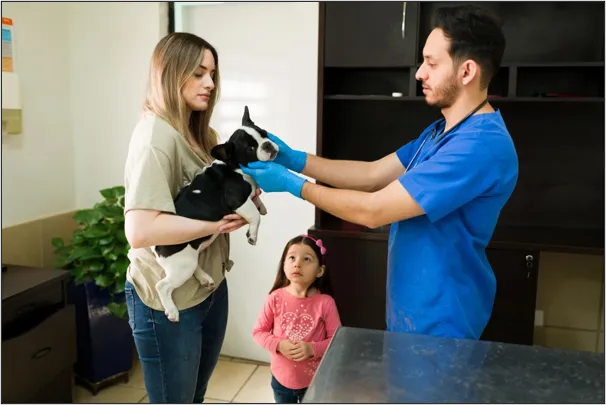
If you haven't already, schedule a full veterinary checkup by week three. Many shelters provide basic vaccinations, but your vet needs to establish a baseline health record.
Bring to the appointment:
The shelter provided all adoption paperwork and medical history
A list of any behavioural changes or physical symptoms you've noticed
Questions about parasite prevention, spay/neuter status, and diet
This is also the time to discuss microchipping if it hasn't been done. A microchip is permanent, but it only works if someone scans it, and the registry is up to date.
For everyday safety between vet visits and outdoor adventures, many pet parents are now using Star Tag, a scannable smart pet tag that stores your pet's complete profile: your contact details, your pet's medical conditions, current medications, emergency contacts, and more. If your pet ever gets lost and someone finds them, a quick scan of the Star Tag gives that person everything they need to reunite you, no app download required. It's one of the simplest safety upgrades you can make in that first month.
Week 4: Establishing the Long-Term Bond
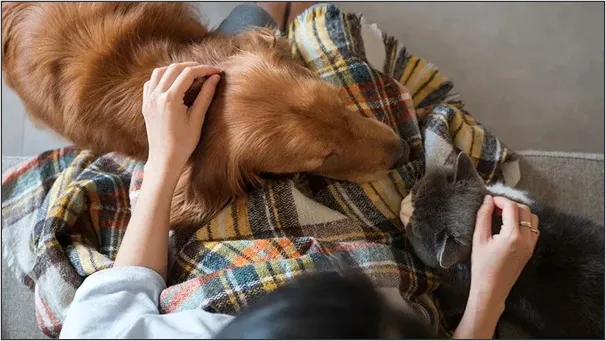
By day 30, you're no longer strangers. You’re family.
This week is about deepening connection through play, training milestones, and simply spending time together. Research published by Science Magazine found that mutual gazing between dogs and their owners triggers oxytocin release in both, the same bonding hormone involved in human parent-child attachment.
Celebrate small wins. First full night of sleep. First successful recall. First calm car ride. These moments matter.
Also, revisit your safety setup:
Is your yard secure?
Does your pet have a Digital ID Tag on their collar at all times?
Is your emergency contact information accessible to someone who might find your pet?
The Honest Truth About Adoption
There will be hard days. Days when accidents happen, when the dog barks for three hours, when the cat knocks everything off every shelf. That's normal. What matters is consistency, patience, and showing up every single day.
Millions of adopted pets go on to become the most loyal, loving companions their owners have ever known. Yours will too; you just have to get through month one together.
You've already done the hardest part. You chose them.
Always consult a licensed veterinarian for medical advice specific to your pet.