
How to Prepare Your Pet for Long-Distance Travel
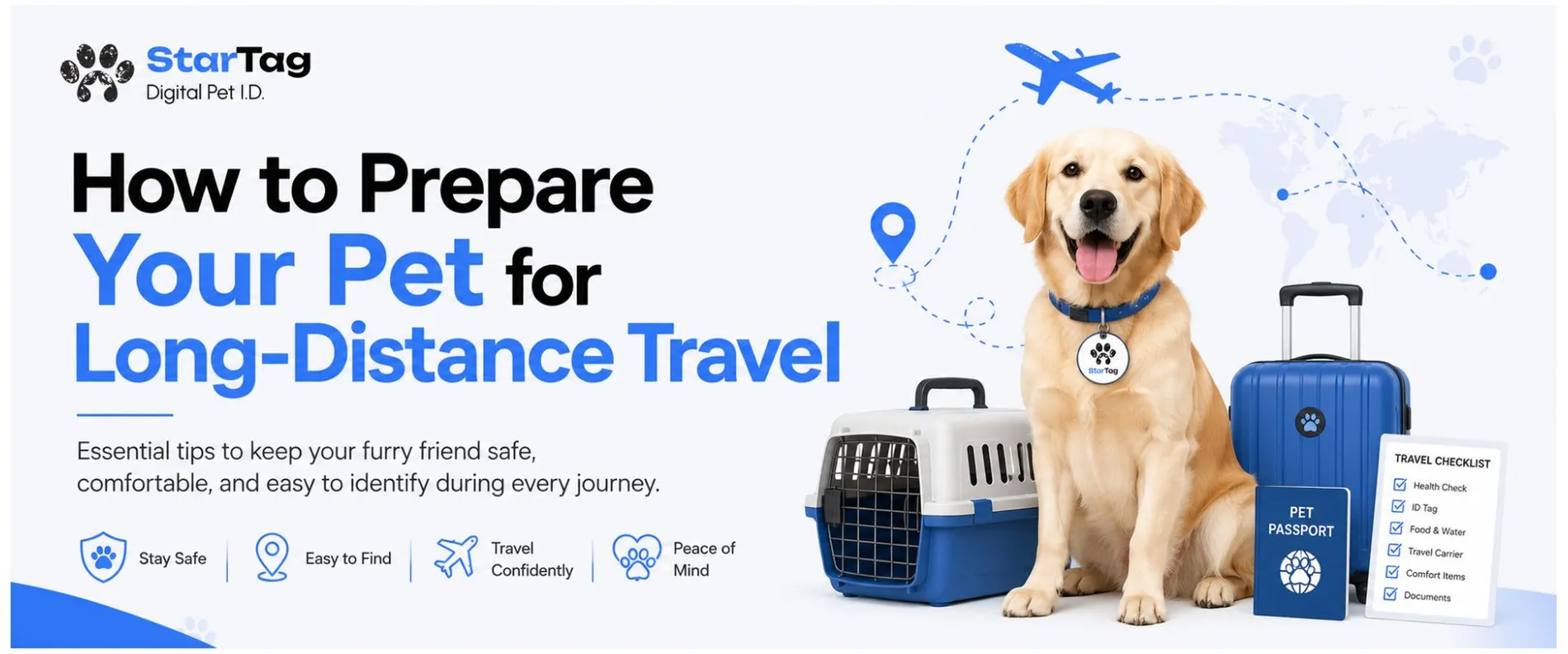
Traveling long distances with your pet can be a challenge in itself, and not just the simple car trip to the veterinarian. It's asking your pet to endure for long periods of time, at times crossing state lines or even international borders, in a foreign, sometimes secluded environment, with the sounds and smells that they've not experienced before. If you don't prepare, it can be really stressful for them. If it's done correctly, you can manage it, and for the majority of pets, ultimately, it will become routine.
The main difference is that it is based on how many foundations were laid prior to starting the process. It includes health documents as well as environmental conditioning. Some things are often ignored until the moment it's already too late, and you're not sure of the correct identification. A pet identification tag isn't an obligation when you're on a lengthy travel trip that includes multiple stops; it's your best protection in the event that you have a mishap. Learn how to properly prepare starting in the days leading up to departure until the time that you reach.
Start With the Vet, Not the Suitcase
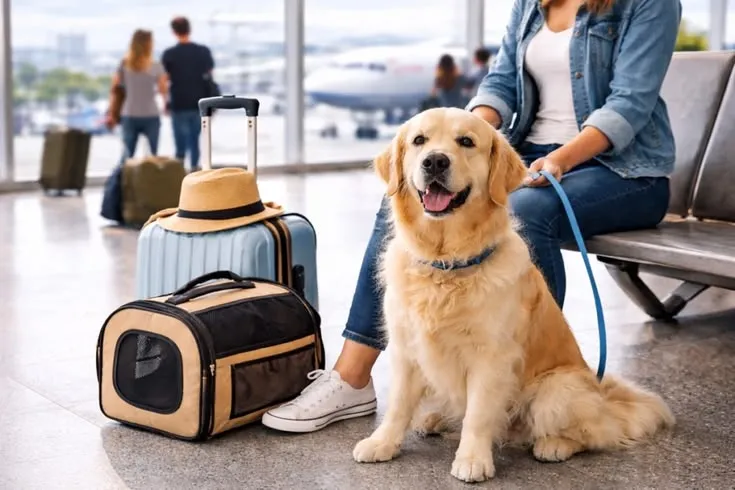
The very first thing to do in planning a long-distance trip for your pet doesn't involve packing. You should have a vet visit at least three or four weeks prior to the date you plan to travel. This is important since it allows you to take action on what your veterinarian discovers.
The health screening before traveling will include recent vaccinations (some destinations need documentation) as well as a parasite medication review and a general exam to make sure your pet's health is adequate to travel. If you're crossing national or international frontiers, your veterinarian is required to provide an official health certificate. The majority of airlines as well as many border crossing points, require one within 10 days of departure, which is why timing is critical.
It's also a good occasion to address anxiety. Certain pets manage to travel with an amazingly calm manner. Other pets show signs of distress, such as excessive screaming, drooling, panting, or attempts to get out of their carriers. If your pet falls in the second group, your vet will recommend behavior-related strategies, or sometimes, temporary medications. The earlier you start the discussion gives you time to explore and make adjustments prior to the departure day.
Carrier Conditioning: The Step Most People Skip
A pet carrier you've not used before an hour-long journey can be the recipe for chaos -as well as for you too. Carrier conditioning refers to the process of making the space available for travel slowly, and then it is a part of the pressure of traveling.
The first step is to leave the carrier open at home with your familiar bedding. Let your pet explore it voluntarily. Give them food nearby and then move to it. When they're at ease being inside and relaxing in it, start closing the doors for a short time when you're inside the area. As time goes on, increase the length and start taking shorter automobile trips, first within the neighborhood, and then to another nearby location, ahead of the main event.
The process for dogs generally takes 2 to 3 weeks. In the case of cats that are typically more resistant to change, four weeks is an ideal time frame. It will result in a cat that is more likely to associate the pet carrier with peace and safety, not being in a cage and feeling uncertain.
A practical tip: Make sure that the pet carrier is of adequate dimensions. The pet must be able to stand up, pivot around, and lie on its back comfortably. Too big, and they move around in circles, or too small, and the pet is physically uncomfortable for hours.
Why Identification Matters More on the Road Than at Home
If you are at home and your pet wanders away from your door, the entire neighborhood recognizes that they are. If you are on a long-distance journey, there is no one to follow. A rest stop, a hotel parking area, or an active transit area has the potential for your pet to get lost in an area where nobody could trace them.
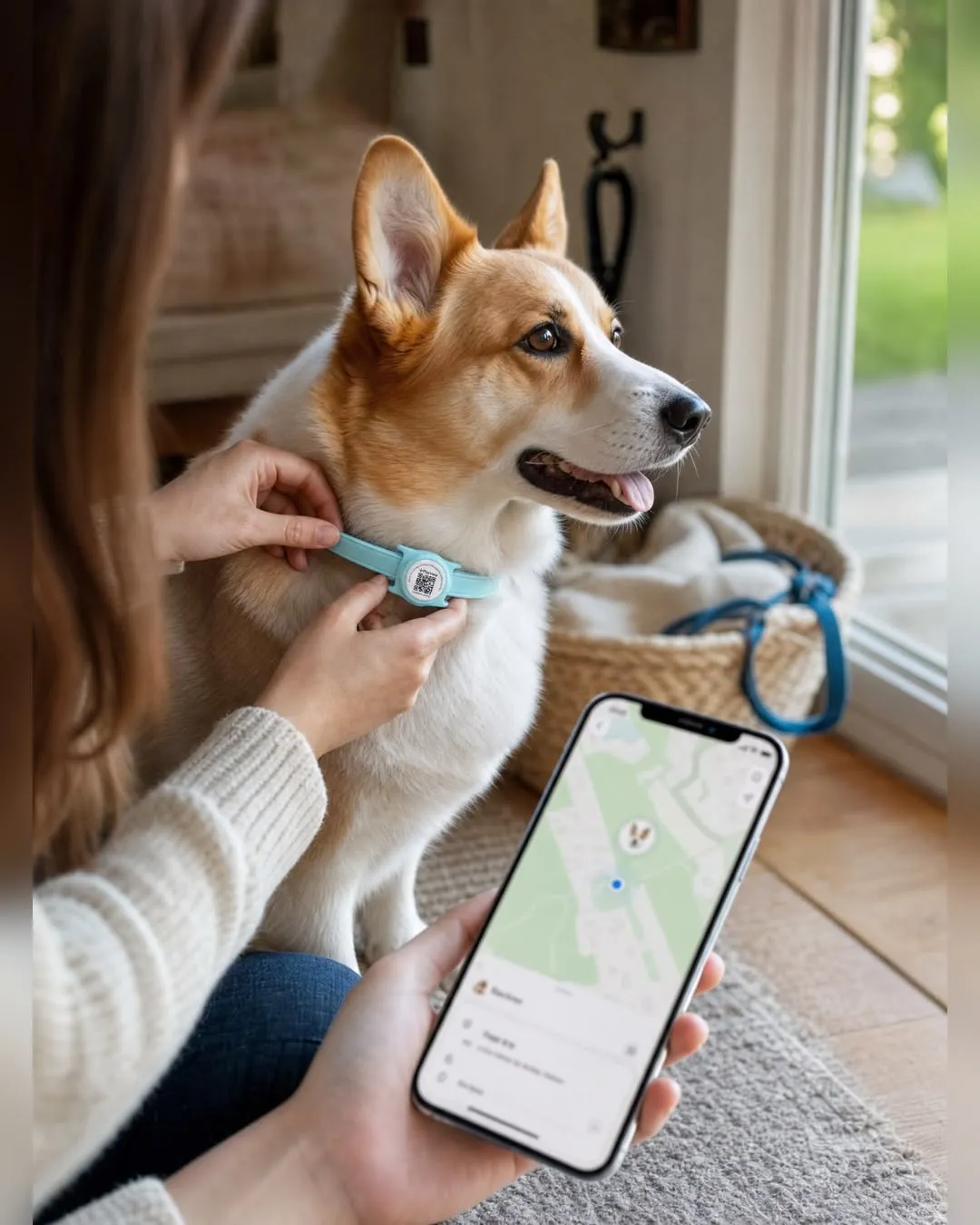
That's exactly how a QR code pet tag alters the game. In contrast to a traditional engraving tag, which is able to be used to carry your telephone number and name, the QR code dog tag can link to your profile, which includes details regarding your contact, your pet's medical information, food requirements, as well as any additional details that a searcher or shelter may require in order to locate you fast. If someone scans the tag using their smartphone, they will get all they require in just a few minutes. There is no vet records searching, and/or guesswork.
An identification tag for pets or any other type of pet identification tag is more effective than nothing; however, particularly for traveling long distances, this additional capacity that a QR tag offers can be extremely valuable. Microchipping can be used as a continuous backup. However, it requires a scanner, which many people don't own. An easily scannable, visible tag is the initial source of identification. It should be refreshed with the most current contacts prior to each big journey.
Make sure the tag is secure and visible prior to leaving. This is a quick check that gives you peace of mind during a long trip.
Hydration, Feeding, and the Timing Question
Many pet owners approach their pets ' eating on the go with a sense of intuition. They feed their pets as they would normally feed them wherever they are. For long trips, taking a deliberate strategy can help reduce the discomfort of a pet.
If your cat or dog is prone to nausea from motion, eating a small food intake of two to three hours prior to departure is better than eating a large breakfast immediately prior to departure. Do not eat within a moving vehicle when you can; rest stops at a stationary location can help digestion and can reduce the risk of feeling nauseous.
It's different with water; the ability to drink water with freshness must be readily available at each stopover, even when your pet isn't displaying evident thirst. It's easy to forget, and it causes anxiety and fatigue. The travel bowls can be compact and can be useful to keep inside your luggage, especially for this purpose.
When you travel for long periods, make sure you stop for rest breaks every three to 4 hours, regardless of whether your dog appears to require one. Pets require stretching as well as relieving themselves. They also need to reset. They are less self-contained, but nevertheless, they can benefit from a tranquil time outside of the car. Leash them or keep them inside a secure enclosure at rest stops. Uninviting environments at rest stops are precisely the type of place that can lead to pets fleeing.
Hotel Stays and Overnight Stops: Setting Up a Temporary Safe Zone
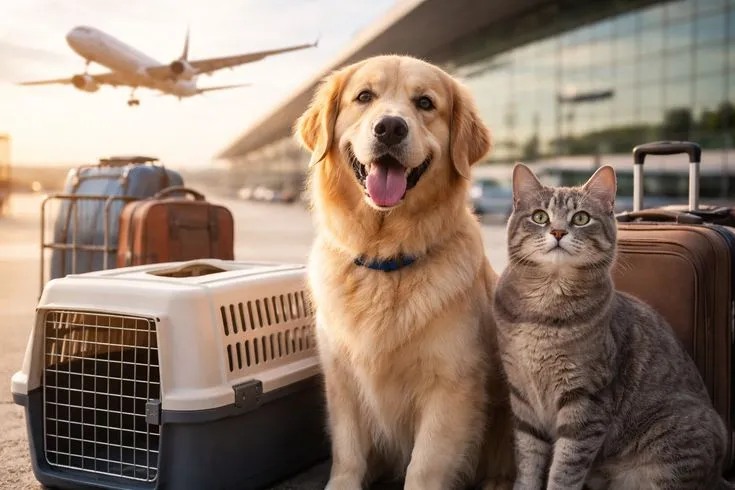
Road trips that span multiple days present challenges that single-day traveling does not: your pet needs to get settled into a room each night right after having begun to wind down from the trip of the day.
The most efficient method is to create a replica of your pet's familiar setting in each space in the shortest time possible. Take their bed or a familiar blanket. Place the food and drinks in the same arrangement as you do in your home. Let them take a sniff around the room before assuming they will get settled. Particularly for dogs, taking a stroll after arriving helps to burn off the extra energy from being kept in the room.
Review hotel policies on pets prior to your visit. Not every hotel that allows pets allows the same breeds or sizes. Some charge extra. Making this reservation in advance eliminates an anxiety-producing issue upon arrival.
The Arrival Adjustment: Don't Rush the Settling-In
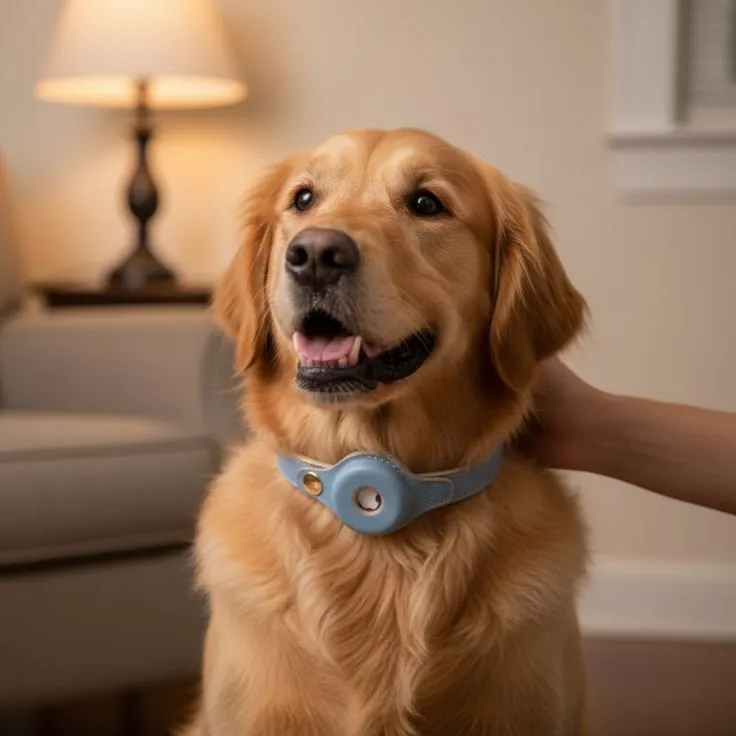
When you arrive at a temporary place or move to a new permanent home, pets will require some time to adjust -regardless of how well you've navigated the process. Do not rush to start introducing them to the entire room. Allow them to explore only a couple of rooms at first using their usual items that are already there, and then increase their accessibility gradually.
Signs of stress due to adjustment, such as decreased appetite, hiding, clinginess, or a disturbed sleeping pattern, are common for two to five days. A consistent feeding schedule, calm interaction, and regular routines throughout the day will allow them to get settled faster than any other product or treatment.
Travel Readiness Is Built, Not Bought
The preparation of your pet for travel over long distances is concerned with minimizing the risk of unanswered questions, both for your pet and for yourself as well. Vet-approved health certificates and a properly conditioned pet carrier, an accurate identification system, as well as a strategy for watering and rest breaks, together make the right conditions for traveling that is simple, rather than chaotic.
The team at Star Tag. The assumption is that a high-quality RFID pet tag is among the most straightforward, impactful steps every pet owner should take prior to a lengthy journey. It's the kind of planning that is inexpensive and can be extremely important if something unplanned happens while traveling. When you are planning your next trip, ensure that your pet's tags are valid, scannable, and secure. All the rest builds off of that.