
Heatwave Pet Care Tips: How to Keep Dogs Safe During Indian Summers
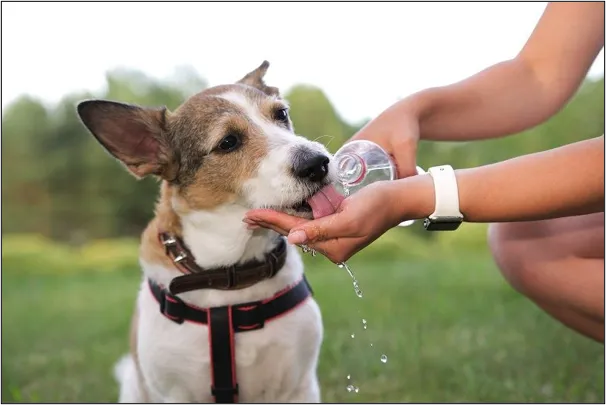
Indian summers are brutal, and not just for us. While we reach for our fans, cold drinks, and cotton kurtas, our dogs are silently struggling under a layer of fur they can't take off. Every year, thousands of pet parents across India unknowingly put their dogs at risk simply by not knowing how heat affects them differently than it affects us.
This guide is for every dog parent who wants to do right by their furry family member when the mercury climbs above 40°C.
Why Indian Summers Are Especially Dangerous for Dogs
India's summer season, stretching from March to June, routinely sees temperatures between 38°C to 48°C in states like Rajasthan, Gujarat, Telangana, and Delhi NCR. According to the Indian Meteorological Department, heatwave conditions, defined as temperatures 4.5°C above normal, are becoming more frequent and intense.
Dogs regulate body temperature almost entirely through panting. Unlike humans, they have very few sweat glands (mostly in their paw pads), which makes cooling down a much slower and less efficient process. When the environment heats up faster than they can pant it away, their internal temperature rises rapidly, and that's when heatstroke sets in.
Heatstroke can kill a dog within 15–20 minutes. That's not a scare tactic, that's veterinary reality.
7 Practical Tips to Keep Your Dog Safe in Indian Summers
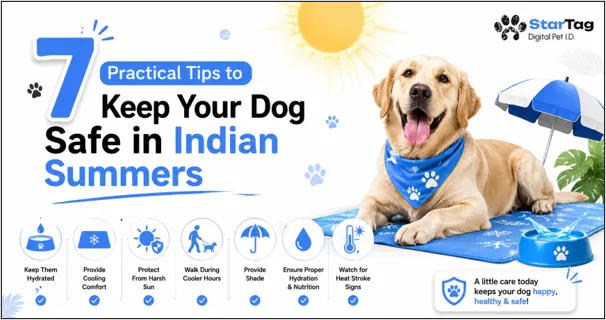
1. Time Your Walks Around the Heat
Walk your dog before 8 AM or after 7 PM. Midday asphalt in Indian cities can reach 60–70°C, hot enough to fry an egg, and more than enough to burn your dog's paw pads in under a minute. A simple test: press the back of your hand to the pavement for 7 seconds. If it's uncomfortable for you, it's dangerous for them.
2. Hydration Is Non-Negotiable
A medium-sized dog (15–20 kg) needs approximately 1 litre of fresh water per day in normal conditions. In summer, that requirement increases by 30–50%. Keep multiple water bowls around the house, refresh them frequently, and carry a collapsible bowl on every outing. Add a few ice cubes to their bowl; most dogs love it, and it slows down gulping, which reduces bloat risk.
3. Never Leave Your Dog in a Parked Car
Even with windows cracked, the temperature inside a parked car can rise from 32°C to over 49°C in just 20 minutes. Every year, Indian veterinary emergency rooms treat dogs for car-related heatstroke. Not for five minutes. Not for a quick errand. Never.
4. Create a Cool Space at Home
If you don't have AC running 24/7, create a cool zone for your dog using:
Wet towels placed on marble or tile floors
Cooling mats (widely available on Indian pet e-commerce sites)
Fans positioned at floor level where dogs rest
Keeping curtains drawn during peak afternoon hours
Breeds like Pugs, Bulldogs, Shih Tzus, and Boxers, known as brachycephalic (flat-faced) breeds, are at significantly higher risk and may need air conditioning on days above 35°C.
5. Watch for Signs of Heatstroke
Catch it early. Symptoms of heatstroke in dogs include:
Heavy, rapid panting that doesn't slow down
Excessive drooling or thick, sticky saliva
Bright red gums or tongue
Glassy, unfocused eyes
Weakness, stumbling, or sudden collapse
Vomiting or diarrhoea
If you notice these signs: Move your dog to a cool area immediately, apply cool (not ice-cold) water to their neck, armpits, and paw pads, and get to a vet as fast as possible. Do not wait to see if they improve on their own.
6. Adjust Diet and Feeding Times
In extreme heat, dogs may eat less, and that's okay. Feed them during cooler parts of the day (early morning and evening). Avoid exercise right before or after meals to reduce the risk of bloat, which is more common in hot weather. You can also offer hydrating treats like small pieces of watermelon (seedless), cucumber, or frozen low-sodium chicken broth cubes.
7. Keep Your Dog's ID Current, Always
Summer is when dogs are most likely to bolt. A frightened dog in a thunderstorm, an open gate during a power-cut rush, it happens more than people think. A physical ID tag is your dog's first line of defense when they're lost, before anyone can reach you or check for a microchip.
Smart pet parents today are upgrading to Star Tag, a scannable pet ID tag that stores your contact information, your dog's medical history, vaccination records, and emergency details all in one place. If anyone finds your dog, they simply scan the QR code with any smartphone and get everything they need to reunite your pet with you, no app required. In a country as vast and chaotic as India, that kind of instant, accessible information can be the difference between a lost dog found and a lost dog gone.
Make sure your dog is wearing their tag every time they step outside. Every single time.
A Quick Summer Safety Checklist
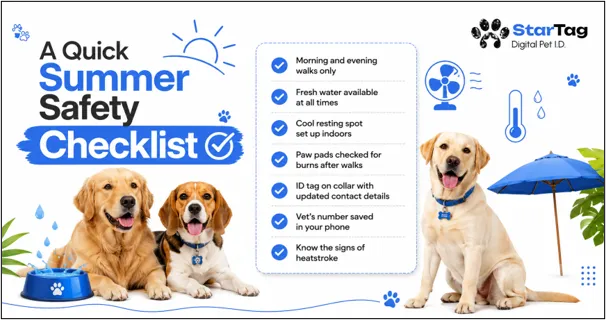
Morning and evening walks only
Fresh water available at all times
Cool resting spot set up indoors
Paw pads checked for burns after walks
ID tag on collar with updated contact details
Vet's number saved in your phone
Know the signs of heatstroke
Final Thoughts
Your dog doesn't know how to tell you they're overheating. They'll push through a walk because they love you, sit in a hot car because they trust you, and suffer quietly because that's just what dogs do. The responsibility of reading the season and adjusting accordingly sits entirely with us.
Indian summers are getting hotter every year. The good news is that keeping your dog safe doesn't require expensive equipment or complicated routines; it requires awareness, a few small habit changes, and a little extra attention during the months that matter most.
Stay cool. Keep them cooler.
Always consult your veterinarian for breed-specific advice, especially if your dog is a senior, a puppy, flat-faced, or has a pre-existing health condition.