
Do Cats and Dogs See Color? A Fun Look at the World Through Your Pet’s Eyes
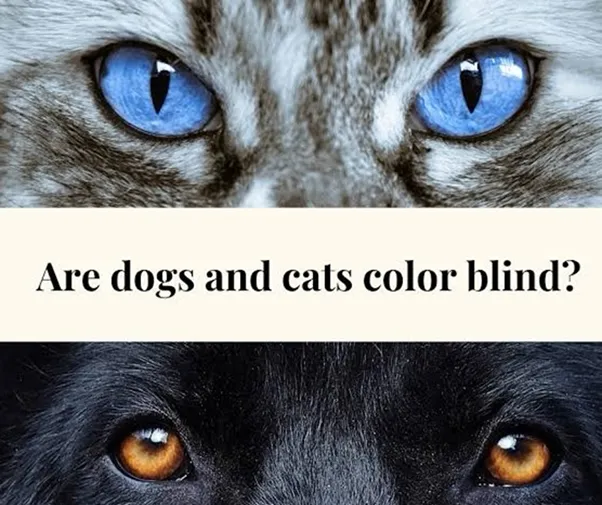
Have you ever wondered what the world looks like to your dog or cat? When you pick out a bright toy, a colorful collar, or a stylish ID tag, you’re making a choice with human eyes. But our furry companions see colors very differently from us. Understanding how cats and dogs perceive color can help you choose accessories they can actually notice, and enjoy.
How Humans See Color (Quick Context)
Humans have three types of color-detecting cells (cones) in our eyes, which allow us to see a
full spectrum of colors, from deep reds to vibrant greens and blues. This is called trichromatic vision.
Dogs and cats, on the other hand, are dichromatic. They have only two types of cones. This doesn’t mean they see in black and white, it just means their color range is more limited.
How Dogs See Color
Dogs see the world mostly in shades of:
- Blue
- Yellow
- Gray
They struggle to distinguish between:
- Red and green
- Orange and brown
To a dog, a red toy on green grass may almost blend into the background. That’s why many vets and trainers recommend blue or yellow toys, they stand out clearly in a dog’s visual field.
So if you want your dog to easily spot their bowl, toy, leash, or ID tag, blues, yellows, and high- contrast combinations are the way to go.
How Cats See Color
Cats also have dichromatic vision, but with a slightly different emphasis:
- They can see blues and greens fairly well
- They’re less sensitive to reds and pinks
- Their world looks more muted and pastel-like
Cats rely much more on motion, contrast, and brightness than color itself. A moving toy in a soft blue or green tone is far more exciting to them than a static bright-red one.
In short: cats care less about flashy colors and more about how something moves and stands out.

What This Means for Pet Accessories
Because pets don’t see color the way we do, the most appealing accessories for them are:
- High-contrast color combinations
- Blue, yellow, green, and neutral tones
- Designs that are visually distinct rather than overly colorful
That’s why thoughtful color choices matter, not just for style, but for visibility and comfort from your pet’s point of view.
StarTag: Designed With Pets’ Vision in Mind
StarTag isn’t just a smart ID tag, it’s also designed to be visually appealing to pets. Crafted in dual-color and striking contrasts, StarTag’s four signature models are easier for dogs and cats to distinguish compared to single, flat colors.
Whether you prefer soft, calming tones or bolder, higher-contrast designs, StarTag has it all and balances:
- Pet-friendly color perception
- Human style preferences
- Everyday visibility and durability
The Takeaway

Cats and dogs don’t live in a black-and-white world, but they don’t see rainbows either. Their vision is tuned to blues, yellows, greens, contrast, and motion.
So the next time you’re picking out a toy, collar, or ID tag, think like your pet:
- Will they actually notice it?
- Will it stand out against their environment?
- Will it feel familiar and non-distracting?
With its thoughtfully engineered two-tone combinations, StarTag fits right into a pet’s visual comfort zone, without compromising on style. Because smart design isn’t just about technology - it’s about understanding your pet’s world through their eyes.